

Choosing the right outdoor rental LED display can make or break a major live event. Whether you are hosting a music festival, a sports tournament, or an outdoor corporate product launch, your screen must deliver flawless visuals while surviving unpredictable weather. However, many event organizers and rental firms struggle to balance technical specifications with cost and structural safety.
This guide breaks down five critical technical considerations to help you select a robust rental LED screen that minimizes setup downtime and guarantees long-term durability.

1. Brightness and Contrast for Daytime Visibility
One of the most common issues with an outdoor rental LED display is poor visibility under direct sunlight. Indoor screens typically deliver 800 to 1,200 nits of brightness. In contrast, outdoor environments demand a minimum brightness of 5,000 nits. If your venue faces intense, direct afternoon sun, you should look for premium panels that achieve up to 6,000 or 7,000 nits. High-contrast shaders and black-shell SMD (Surface Mounted Diode) technology also play a massive role. These features prevent the display from looking washed out, ensuring your audience can read text and view graphics clearly from any distance.

2. IP Ratings and Weatherproofing
Unlike fixed outdoor installations that benefit from permanent protective housing, a mobile stage LED screen undergoes frequent assembly, disassembly, and transport. This constant handling exposes internal components to moisture, dust, and physical impact.
Front Protection: Look for at least IP65 certification. This ensures the screen remains completely sealed against torrential rain and airborne dust.
Rear Protection: A minimum of IP54 is necessary, though IP65 is highly recommended for unpredictable coastal environments or dusty festival grounds.
Anti-Corrosion and Rust Resistance: Ensure the structural locks, cabinet frames, and connectors use marine-grade alloys or treated stainless steel to prevent long-term degradation.
3. Structural Integrity and Wind Resistance
Safety is paramount when suspending heavy video walls above a crowded stage. Wind acts as a giant sail on solid LED walls. Therefore, structural integrity must be a top priority during your procurement phase.
Using lightweight materials like die-cast aluminum instead of traditional iron cabinets reduces the total load on your rigging trusses. Additionally, some advanced outdoor screens feature wind-bracing designs or semi-transparent mesh structures that allow strong wind gusts to pass through safely. Always verify the maximum wind load rating of your temporary rigging system before hoisting the display.
4. Easy Installation and True Dual-Service Access
Labor costs and tight setup schedules are major operational bottlenecks for event organizers. A superior rental LED screen must support fast installation by a minimal crew. High-precision quick locks allow single-technician mounting, saving crucial hours during tight event rehearsals.
Furthermore, maintenance access determines how quickly your team can resolve technical issues during a live show. Traditional rear-only access screens require technicians to climb behind scaffolding to replace a faulty module, which is extremely dangerous and slow during an active performance. True dual-service access allows modules, receiving cards, and power hubs to be swapped from either the front or the back in under 60 seconds.
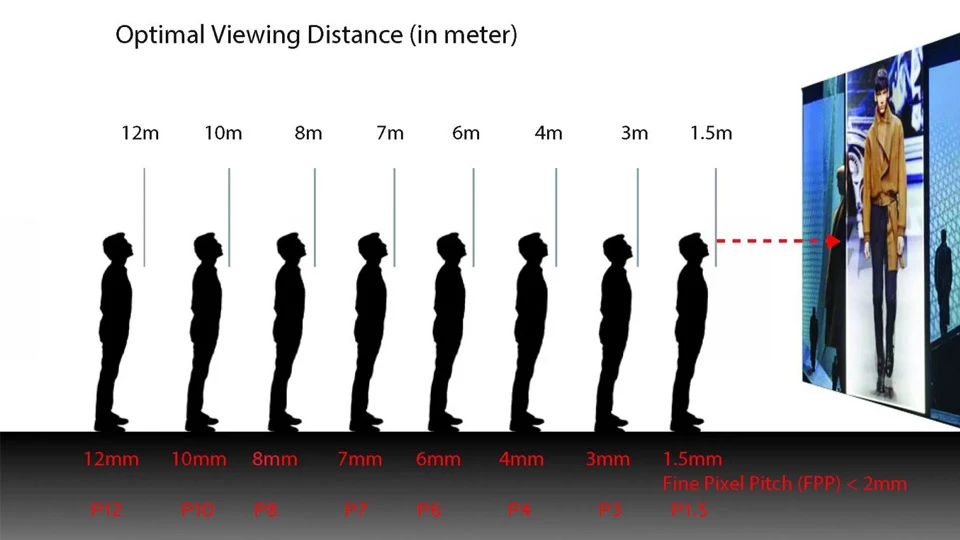
5. Pixel Pitch and Optimal Viewing Distance
Selecting the wrong pixel pitch either wastes your budget or delivers blurry images to your front-row guests. For large-scale outdoor festivals, pixel pitches like P3.91mm, P4.81mm, or P6.25mm represent the industry sweet spot.
| Pixel Pitch (mm) | Minimum Viewing Distance (m) | Best Application Venue |
|---|---|---|
| P2.6mm - P2.9mm | ~3 Meters | Close-range outdoor VIP events, premium retail pop-ups |
| P3.91mm | ~4 Meters | Medium concert stages, outdoor corporate events, festivals |
| P4.81mm | ~5 Meters | Large music festivals, sports arenas, public viewing zones |
| P5.9mm - P6.25mm | ~6 Meters | Massive concert backdrops, highway billboards, aerial displays |
Conclusion and Maintenance Guidelines
Investing in a premium outdoor rental LED display is only half the battle. Regular maintenance ensures these high-value assets deliver consistent performance over hundreds of rental cycles.
To keep your screens in top condition:
Always store your cabinets in custom, shock-absorbing flight cases with built-in moisture-absorbing silica gel bags.
Run the screen for at least two hours every week to generate internal heat and drive out any accumulated moisture.
Clean the modules using compressed air or soft, dry anti-static brushes; never use harsh chemical solvents.
Are You Ready to Elevate Your Next Live Event?
At Litestar LED, we specialize in manufacturing high-performance, lightweight, and weather-resistant outdoor rental LED display solutions. Our LDR Pro and stage-optimized series feature robust die-cast aluminum frames and lightning-fast front/rear dual-service designs to ensure your events run flawlessly every single time.
Contact our engineering and sales experts today to get a free structural layout consultation and a highly competitive wholesale factory quote!