

When buyers evaluate LED displays, they usually focus on pixel pitch, brightness and refresh rate. One important specification that often receives less attention is gray scale, also known as bit depth. Gray scale determines how smoothly the screen can transition between different shades of color and brightness. Choosing the wrong level can make images look flat, banded or unnatural, especially in high-end advertising and stage applications.
This article explains what gray scale means, why it matters, and how to select the right level for your project.
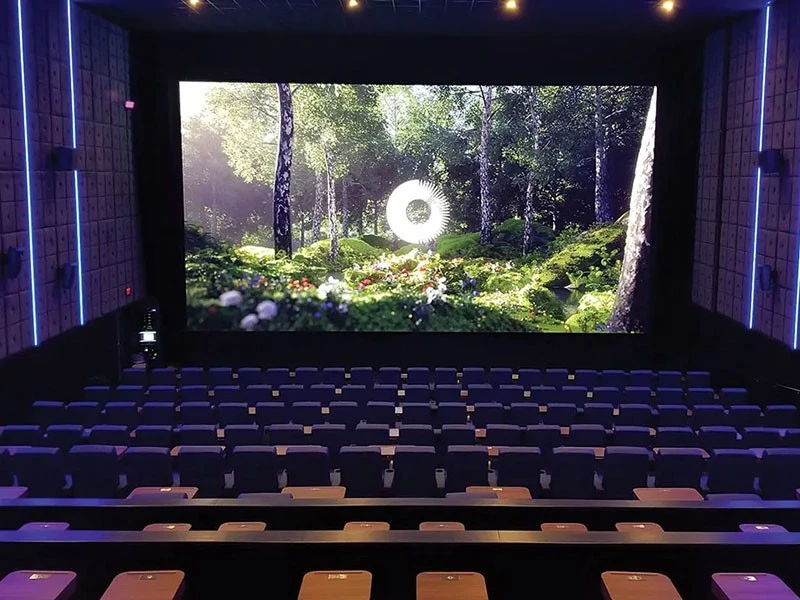
What Is Gray Scale in LED Displays?
Gray scale measures the number of brightness levels an LED display can produce between pure black and pure white. It is expressed in bits:
- 12-bit gray scale = 4,096 levels
- 14-bit gray scale = 16,384 levels
- 16-bit gray scale = 65,536 levels
Higher bit depth creates smoother gradients and more natural color transitions. Low gray scale often produces visible "banding" - unnatural steps between shades - which becomes especially noticeable in sky scenes, skin tones or dark backgrounds.
Why Gray Scale Matters in Real Projects
High gray scale improves several visual aspects:
- Smoother color transitions – Reduces banding in gradients and soft lighting.
- Better detail in dark areas – Helps the screen show subtle differences in low-brightness scenes.
- More natural skin tones and product colors – Important for advertising and live events.
- Improved performance under cameras – Higher bit depth reduces artifacts when the screen is filmed.
For outdoor advertising boards viewed from a distance, 12-bit or 14-bit is often sufficient. For indoor fine-pitch screens, stage backdrops and virtual production, 14-bit or 16-bit delivers a clear advantage.
Recommended Gray Scale by Application
| Application | Recommended Gray Scale | Reason |
|---|---|---|
| Outdoor fixed advertising | 12-bit – 14-bit | Viewers stand far away; banding is less visible |
| Rental & stage events | 14-bit – 16-bit | Cameras and close audience require smooth gradients |
| Indoor fine-pitch (conference, retail) | 14-bit – 16-bit | Close viewing distance demands natural color |
| Control rooms & command centers | 14-bit or higher | Long viewing hours and detailed data visualization |
| Virtual production / XR | 16-bit preferred | Extremely high image quality under professional cameras |
Practical Selection Tips
- Match gray scale to viewing distance – Closer audiences need higher bit depth.
- Check the actual processing chain – Some systems claim high gray scale but lose quality after scaling or compression.
- Test with real content – Ask suppliers to show gradient images and dark scenes, not only bright product photos.
- Balance cost and performance – Jumping from 12-bit to 16-bit increases cost; decide based on your actual visual requirements.
- Consider the full system – Receiving cards, processors and LED drivers all influence final gray scale performance.
Many modern LED displays from quality manufacturers now support 14-bit or 16-bit gray scale as standard, especially in fine-pitch and rental series. This improvement helps screens deliver more professional and natural images without requiring extreme brightness.
Conclusion
Gray scale is a quiet but powerful factor in LED display performance. While pixel pitch and brightness attract most attention, bit depth decides whether the image looks smooth and professional or flat and artificial. For projects that demand high visual quality - stage shows, premium advertising, conference rooms or virtual production - investing in higher gray scale pays off in better audience experience and fewer visual complaints.
If you are planning a new LED display project and want advice on gray scale requirements or product selection, feel free to contact the Litestar team. Our engineers can review your content type and viewing conditions and recommend a suitable solution.