

If you’ve ever shopped for large-format display technology for outdoor events, stage productions, or commercial installations, you’ve probably encountered convex LED screens. These curved displays deliver immersive, audience-capturing visuals that flat panels can’t match—whether curving outward to frame a stage or wrap around a trade show booth. But one question I hear most often from event planners, venue managers, and production teams is this: What is the waterproof level of a convex LED screen?
As a supplier specializing in outdoor and rental LED displays, I’ve fielded this question in every tone: from panic over a sudden rainstorm at a festival to careful planning for a year-round outdoor permanent installation. The short answer isn’t one-size-fits-all, because convex LED screens, just like flat LED panels, have multiple components that contribute to their waterproof performance. To get the real story, we have to break down what “waterproof level” actually means in this industry, how convex screens differ from flat ones, and what to look for when choosing one.
First, let’s clarify a common point of confusion: IP ratings. IP (Ingress Protection) codes are the global standard for measuring how well a device resists dust and water. The rating has two numbers: the first rates solid particle resistance (dust, dirt, debris), the second rates water resistance. For example, an IP65 rated device is dust-tight (6) and protected against low-pressure water jets from any direction (5). This is the most common waterproof rating for outdoor LED displays, but it’s not the only factor to consider—especially for convex screens, whose curved design can create small gaps between panel sections that need extra sealing.
Convex LED screens are made of individual cabinet units that curve to form the overall outward arc. Unlike flat panels, where cabinet edges lie flush, convex cabinets have angled sides that fit together, creating seams that are potential entry points for water. That’s why not all convex displays have the same IP rating as their flat counterparts—manufacturers have to adjust sealing, gaskets, and cabinet design to ensure those curved seams are watertight.
Now, let’s get specific about what different waterproof levels actually mean for a convex LED screen in real-world use:
- IP54: Resists splashing water from directions up to 180 degrees. This is fine for light mist or accidental water spills, but not for heavy rain, sprinkler systems, or outdoor events where long-term exposure to moisture is likely.
- IP65: The sweet spot for most outdoor rental and semi-permanent convex LED screens. IP65 means no dust can get inside, and it can withstand low-pressure water jets from any direction for up to three minutes. This is enough for sudden rainstorms, garden party sprinklers, and even light outdoor concert downpours.
- IP67: Fully dust-tight and can be submerged in water up to 1 meter deep for up to 30 minutes. This is overkill for most event uses, but useful for convex screens installed near pools, beaches, or other areas where they might come into contact with standing water.
- IP68: The highest common rating, with protection against long-term submersion in water deeper than 1 meter. This is rare for convex rental screens because of their flexible cabinet design, but it’s available for permanent installations in extreme outdoor environments.
When I first started working in this space, many customers assumed convex screens were less waterproof than flat ones. That’s not the case if manufacturers design them properly. The key is in the cabinet construction. High-quality convex LED screens use die-cast aluminum or magnesium alloy cabinets, which are lightweight, rigid, and easier to seal than plastic cabinets. The curved edges of these cabinets fit with precision, and they’re paired with EPDM rubber gaskets that create a tight, water-resistant barrier between each unit.
Let’s talk about the products we offer at our company, because this is where real-world performance meets these IP ratings. Our most popular line of outdoor convex rental screens includes a range of pixel pitches, designed for different viewing distances and event scales. For example, our P4.81/P6.25mm Outdoor Rental Curved LED Display/Screen is specifically engineered to create convex shapes for magic stage setups. It’s built with IP65-rated cabinets, so it can handle sudden rain at an outdoor concert or a water feature adjacent to a trade show display. The magnesium alloy panels reduce the overall weight, making it easy to hang or transport for events, and the curved design holds its shape without warping, even when sealed tight.
For smaller, more portable convex screens, our Litestar LYR Outdoor Rental LED Screen is another top pick. It has IP65 ratings across all its cabinets, and its compact size makes it ideal for small outdoor events, pop-up shops, or experiential marketing activations where a curved, eye-catching display is needed. We’ve used this exact screen for music festivals in the Pacific Northwest, where afternoon rain showers are common, and it’s held up perfectly year after year.
Our P3.91/P4.81/P5.95/P6.25/P8.92mm Outdoor Rental LED Screen/display With 500X1000mm Die-casting Aluminum LED Cabinet is designed for larger-scale events, like stadium displays or outdoor movie nights. The 500x1000mm cabinets are durable and easy to assemble, and their IP65 rating ensures they can handle heavy rain, wind-driven water, and even snow melt. The convex configuration for these larger screens is seamless, so there are no gaps between panels that would let water seep in—something we test rigorously in our facility before shipping.
Another product that works well for convex setups is our LXR Series 500500mm & 5001000mm Outdoor Led Wall Rental And Led Video Screens Hire For Stages And Events. These cabinets are versatile enough to be arranged in convex, concave, or flat configurations, and they have IP65 waterproofing. Event planners love this because it lets them switch up their display shape for different parts of a production, all without worrying about water damage.
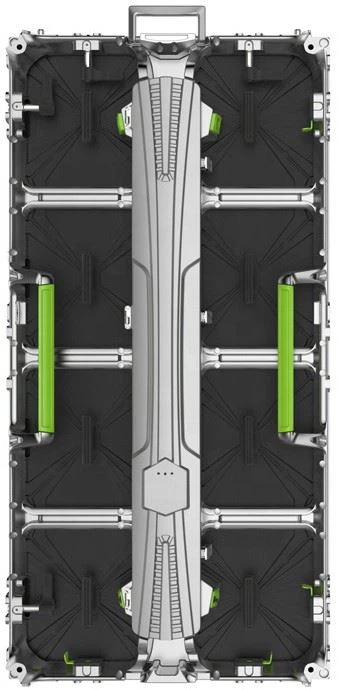
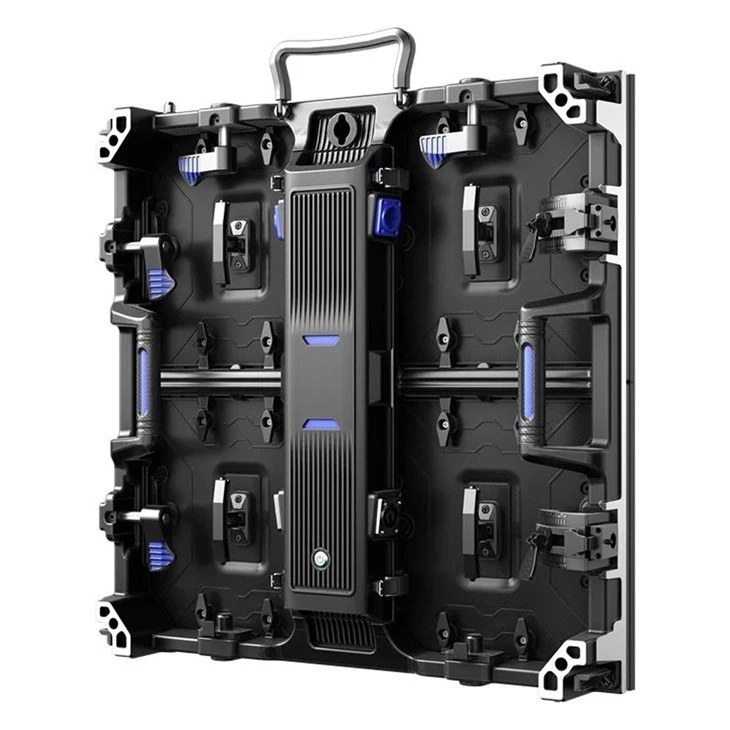
Now, it’s important to note that IP ratings apply to the cabinets themselves—not the electrical components. That means even an IP65 convex LED screen can have issues if the power supply or control boxes aren’t properly sealed. All our screens come with IP65-rated power and control modules, so the entire system is protected. We also recommend adding a waterproof cover for the screen’s edge connectors, just to be extra safe in heavy, prolonged rain. For permanent installations, we advise our customers to add a small overhang or canopy above the convex screen, even if it has a high IP rating. This extends the screen’s lifespan and reduces wear from constant exposure to moisture.
I’ve seen too many clients make the mistake of buying a “convex” screen that’s actually just a flat panel bent at the edges, with cheap sealing that doesn’t meet IP65 standards. These screens might work for a few events, but after a single heavy rain, they’ll have water damage to the circuit boards, which means expensive repairs or replacement. That’s why it’s critical to work with a supplier who designs convex screens specifically for curved configurations, with proper sealing tailored to the cabinet’s shape.
Another factor to consider is maintenance. Waterproof convex LED screens require the same general care as flat outdoor LED screens, but the curved surface can collect water, dirt, and debris in the valleys between panels. We recommend inspecting the seams between cabinets after every outdoor event to make sure the gaskets are intact and free of dirt, which can create gaps that let water seep in. A quick wipe down with a dry cloth after an event is enough to keep most convex screens in good shape, and we include a maintenance guide with every order.
If you’re still unsure about what waterproof level you need for your convex LED screen, here’s a quick guide:
- For indoor convex displays or setups only used in dry, covered spaces: IP54 is sufficient.
- For outdoor events with occasional light rain, or semi-permanent installations in mild climates: IP65 is the best value.
- For outdoor installations near water (pools, beaches, fountains) or regions with heavy, frequent rain: Look for IP67 or higher, though these are less common for rental screens.
- For stage productions that require flexible shapes, like the convex displays used in magic shows or live performances: All our rental screens (including the P4.81/P6.25mm Outdoor Rental Curved LED Display) are IP65 rated and designed for quick, reliable assembly into convex shapes.
Over the years, I’ve watched convex LED screens go from a niche, hard-to-see technology to a staple of modern events and commercial displays. Their ability to draw audiences in with immersive visuals is unmatched, and their waterproof performance has come a long way. But it’s not a “set it and forget it” technology—choosing the right IP rating, working with a reputable supplier, and following basic maintenance steps will ensure your convex LED screen lasts for years, even in outdoor conditions.
If you’re in the market for a convex LED screen, whether for rental, permanent installation, or event use, we’re here to help. Our team has worked with production companies, venue managers, and event planners across the world to find the right waterproof level and screen size for their needs. We offer a range of convex and curved LED displays, from the compact Litestar LYR series to the large-format P series, all with industry-leading waterproof ratings. Reach out to our team to discuss your project and find the perfect convex LED screen for your needs.
References
- International Electrotechnical Commission (IEC) 60529: Degrees of Protection Provided by Enclosures (IP Code)
- LED Display Industry Association (LEDIA) Outdoor Display Performance Standards, 2023
- Die-Cast Aluminum vs. Plastic Cabinet Durability for Outdoor LED Displays: A Comparative Analysis, Journal of Display Technology, Vol. 18, No. 4, 2022
- Event Technology Rental Association (ETRA) Outdoor Event Display Best Practices, 2024