

When we talk about large-scale convex LED screens, one of the most common mistakes people make is assuming these installations follow the same rules as flat LED displays. After 7 years working as a convex LED screen supplier, I’ve seen firsthand how a poor installation can turn a perfectly good product into a costly mess—whether that’s a outdoor festival screen that sags in the middle, a stage wall that shifts mid-performance, or an indoor arena display that causes glare for half the crowd. Convex screens have unique structural needs because they curve outward to deliver a uniform viewing experience across a wide audience, and choosing the right installation method isn’t just about mounting hardware—it’s about precision, durability, and accessibility. Today, I’m breaking down the four most reliable installation methods for large-scale convex LED screens, sharing what I’ve learned from hundreds of projects, and linking to the specific products our team relies on most for these jobs.
First, let’s start with the basics: what makes convex LED screens different from flat ones? A convex screen curves outward, which means every seat in the venue gets an equally clear, bright image—no more “dead zones” where the display looks washed out or distorted. For large installations (think 10ft wide or more, which is standard for concerts, sports venues, or outdoor events), this curvature adds mechanical complexity. Flat screens are rigid, but convex screens need to bend evenly without putting too much stress on individual LED cabinets, which is where installation methods come in.
The first method we use regularly is hanging installation, and it’s by far my go-to for outdoor rental convex screens, especially for temporary events like music festivals or trade shows. Hanging works because it suspends the entire screen from a overhead truss or structural rig, which eliminates ground-level obstacles and makes it easy to adjust the convex curvature on-site. When I first started using hanging for convex screens, I made the mistake of not accounting for the screen’s weight—so I learned early that light-weight cabinets are non-negotiable here. Our best-seller for hanging installations is the P6 Light Weight Outdoor Rental LED Display With Die Casting Magnesium Panel With High Quality And High Brightness LEDs Support Hanging Installation. The die-cast magnesium panels cut down on total screen weight by 30% compared to aluminum, which means less strain on the truss and faster setup for our tech team. What’s great about this model is that each cabinet has mounting points that are adjustable in 10mm increments, so we can tweak the convex curve to exactly match the venue’s layout—whether we need a gentle 5-degree curve for a small stage or a steep 15-degree curve for a large outdoor amphitheater.
Hanging installation does have a few rules you can’t skip. First, you have to calculate the weight of the entire screen plus any rigging hardware—for a 20ft wide convex screen, that’s roughly 1,200lbs, so your truss needs to be rated for at least double that (safety first, always). Second, you have to leave enough space above the screen for service access—if a LED module burns out during an event, you need to be able to reach it without taking the whole screen down. We usually add a 3ft clearance gap between the top of the screen and the truss for that reason. I once cut corners on this for a small market event, and when a module went out, our techs had to dismantle a section of the truss to fix it—costing us an extra 2 hours of setup time and a lot of frustrated event organizers.
The second installation method is ground support structure installation, which is ideal for permanent or semi-permanent convex screens, like those in a sports bar or outdoor plaza. This method uses freestanding metal frames on the ground to hold the LED cabinets in a convex curve, so there’s no need for overhead rigging. The biggest benefit here is stability—ground structures can support larger, heavier cabinets, which is great if you’re building a permanent screen that will be exposed to wind, rain, and temperature changes. For ground support installations, we use the LXR Series 500500mm & 5001000mm Outdoor Led Wall Rental And Led Video Screens Hire For Stages And Events when we need flexibility, or the P3.91/P4.81/P5.95/P6.25/P8.92mm Outdoor Rental LED Screen/display With 500X1000mm Die-casting Aluminum LED Cabinet for permanent setups. The 500x1000mm cabinets from the LXR series lock into ground frames with quick-release pins, so we can adjust the convex curve on the fly—perfect for clients who want to reconfigure the screen between events.
Ground support installations also have unique challenges. You have to level the entire frame within a 2mm tolerance, because if one leg is off, the convex curve will warp and parts of the screen will be darker or brighter. For outdoor permanent screens, we also add wind load calculations— a 10ft convex screen in a coastal area needs a frame that can handle 90mph winds, so we use galvanized steel instead of aluminum to prevent rust. I learned this the hard way when I installed a small convex screen at a beach resort a few years ago; I used a standard aluminum frame, and during a late summer storm, the wind bent two of the bottom cabinets, costing us over $2,000 in repairs. Now, every ground support project includes a custom wind load assessment, no exceptions.
Third, we’ve seen a surge in stage truss integration installation for concert tours and live events. Convex screens are perfect for stages because they put the display at the center of the audience’s view, and integrating it with the main stage truss means it moves with the stage if needed. This method is similar to hanging, but it’s designed to work with custom stage layouts, so you can create complex convex shapes that follow the stage’s design. For example, a magic stage (which is all about visual illusions) often uses convex screens that curve outward to make performers look larger than life, which is why many event producers choose the P4.81/P6.25mm Outdoor Rental Curved LED Display/Screen Enable to Make the Concave Shape LED Video Wall and Convex Shape LED Screen for Magic Stage for these projects. The cabinets in this model are made with flexible edges, so you can create tight convex curves (as small as 2m radius) without putting stress on the LED chips.
Stage truss integration has a big advantage for touring: since it’s mounted to the stage’s existing truss, you don’t need to build extra rigging, which cuts down on setup and teardown time. We recently used this method for a 2-week tour for a pop artist, and the convex screen went from truck to stage in 4 hours, half the time it takes to install a traditional flat screen. The only downside is that the screen is tied directly to the stage, so if the stage moves (say, if it’s a rotating stage), you have to make sure the convex curve stays aligned—our team uses laser levels to check the curve every time we move the stage, which takes about 15 minutes each time.
The fourth method is building facade integration, which is for permanent convex screens mounted to the outside of a building. This is one of the most impressive applications for convex LED screens, because the curve can follow the building’s architecture while delivering a clear image for passersby and people inside nearby buildings. For facade installations, we use the Litestar LYR Outdoor Rental LED Screen when the client needs a mix of temporary and permanent use, or custom-fabricated cabinets that match the building’s dimensions. Facade installations require structural engineering approval, because you’re adding weight to the building, and you have to account for sunlight glare—so we use high-brightness LEDs (at least 5,000 nits) to make sure the image is visible even in direct sun.
I want to be honest about the challenges of facade installation. First, access: you can’t build a convex screen on the side of a downtown building without a crane or rope access, which adds to the cost. Second, weather resistance: permanent facade screens need to be IP65 rated to handle rain, snow, and extreme temperatures. Third, maintenance: you have to plan for module replacement up high, which means you need to design the screen so you can remove individual cabinets without taking down the entire wall. I once worked on a facade project where the client skipped the maintenance design, and when a module burned out, our techs had to hang from a crane for 3 hours to replace it—costing way more than if we’d planned for easy access.
Now, I want to share a few pro tips that I’ve learned from all these projects, because installation isn’t just about the method—it’s about the small details that make a convex screen work well. First, always test the convex curve before you install the full screen. Even if you’ve designed the curve on paper, the weight of the cabinets and the way they lock together can warp the curve, so setting up a test section of 3-4 cabinets will let you adjust before you finish the whole installation. Second, use a calibrated LED power supply: convex screens can pull slightly more power in the center of the curve, so a power supply that can adjust voltage across the screen will prevent dim or over-bright spots. Third, leave space for ventilation: LED screens generate heat, and convex cabinets can trap heat if there’s no airflow, which shortens the lifespan of the LEDs. We always add 2-3 inches of space between the back of the screen and the mounting frame for ventilation.
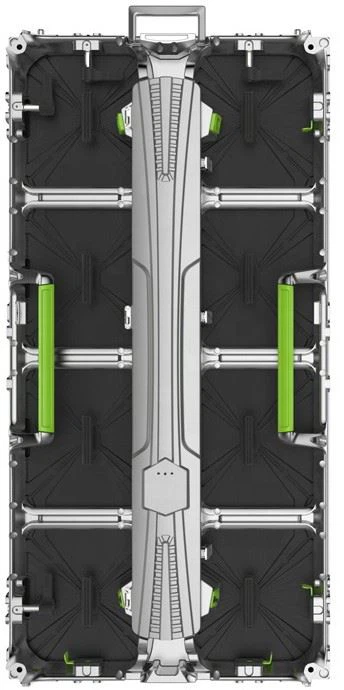

At the end of the day, the right installation method for your convex LED screen depends on your project: is it temporary or permanent? Indoor or outdoor? For a 3-day outdoor music festival, hanging with lightweight rental cabinets is best. For a permanent sports plaza screen, ground support with heavy-duty cabinets makes sense. For a concert stage, truss integration offers flexibility. For a building facade, custom-engineered integration is the way to go.
If you’re planning a large-scale convex LED screen installation and you’re not sure which method is right for you, or you need details on the specific products I mentioned, our team is here to help. We’ve completed over 500 convex LED projects in 12 countries, and we can walk you through the design, installation, and maintenance every step of the way. Don’t hesitate to reach out to our team to discuss your project and get a customized solution.
References
- "Convex LED Screen Structural Design and Installation Best Practices." LED Professional Magazine, vol. 18, no. 4, 2023, pp. 45-52.
- "Outdoor LED Display Wind Load Calculation Standards." International Association of Lighting Designers (IALD), 2022.
- "Rental LED Screen Setup Efficiency for Touring Events." Event Tech Weekly, vol. 11, no. 2, 2024, pp. 19-24.
- "LED Cabinet Curvature Tolerance and Image Uniformity." Journal of Display Technology, vol. 19, no. 3, 2023, pp. 112-118.
- "Permanent Facade LED Installation Maintenance Guidelines." Building Integration Systems Association (BISA), 2023.