

Transporting a 4K LED video wall isn’t just about loading up boxes and driving to the venue—trust me, I’ve learned that the hard way over the past seven years as a 4K LED video wall supplier. Early on, I made the mistake of treating these ultra-sensitive pixel panels like bulky flat-screen TVs. Once, a client booked a 5m x 2.8m 4K wall for a tech conference in Chicago, and our team crated the panels in standard styrofoam boxes, stacked them in a moving truck, and headed out. By the time we unloaded, three of the 600x337.5mm panels had edge pixels misfiring, and the cost of repairs ate into 20% of the job’s profit. That disaster taught me: transporting a 4K LED video wall requires careful planning, specialized materials, and an understanding of how these panels work.
Let’s start with why 4K LED video walls are different from other displays. A 4K resolution means roughly 8 million pixels packed into a single display (or spread across multiple panels), each a tiny light-emitting diode no bigger than a grain of sand. That precision makes them vulnerable to three main threats: physical impact, extreme temperature shifts, and static electricity. Even a minor jostle during transport can loosen a pixel’s internal connection, and a spike in humidity can cause corrosion on the circuit boards. Static, too, is a silent killer—one small spark from a warehouse worker’s clothes can fry an entire panel’s drive ICs. So, transport isn’t just a logistical step; it’s a critical part of preserving the wall’s performance from our warehouse to your venue.
First, before you even book a truck, you need to assess the wall components. Most 4K LED video walls are made of modular panels, usually in 600x337.5mm sizes (the standard 16:9 aspect ratio, which simplifies installation into seamless grids). Some are front-serviceable, which makes transport easier because you don’t have to worry about accessing back connections mid-move. For example, our LSP PRO Series panels use front-serviceable magnets, so you never have to flip a panel during transit—reducing the risk of damage. I always break down the wall into individual modules (never leave panels wired together; the cables can snag and pull connections) and separate the power supplies, receivers, and mounting hardware into labeled, padded bins. I recommend cross-referencing each bin’s label with your installation manual to avoid missing parts at the venue.
When it comes to crating, off-the-shelf boxes won’t cut it. You need custom-crafted crates that fit each panel like a glove. Standard styrofoam is too fragile, and hard-plastic cases can scratch the panel’s anti-glare surface. Our team uses double-walled, reinforced wooden crates lined with closed-cell polyethylene foam that’s 2 inches thick—enough to absorb minor bumps but not so thick that panels shift during transport. For panels with fine pixel pitches (p2.5 and below), we add a layer of anti-static bubble wrap between the foam and the panel itself to prevent static buildup. If you’re renting or using a portable setup, our Indoor P2.5mm Portable Digital Led Poster Video Screen Display With Wheels For Rental And Fixed Installation is designed with built-in protective edge guards, so you can transport it without full custom crating for smaller spaces. That’s perfect for pop-up events or trade shows where quick setup and transport are key.
Next, the transport vehicle is make-or-break. I’ve seen teams use pickup trucks, moving vans, and even passenger cars, but only specialized freight vehicles designed for delicate electronics work. For local jobs under 100 miles, a climate-controlled cargo van with a liftgate is ideal. The liftgate eliminates the need to lift heavy crates (each panel can weigh 15-20kg) and reduces the risk of dropping. For long-distance jobs, we use flatbed trucks with enclosed, climate-controlled trailers. I always check the trailer’s temperature gauge before loading—if it’s below 5°C or above 25°C, I wait, because extreme temps can damage the panel’s LED diodes and circuit boards. Also, never stack crates directly on top of each other. Instead, use a cargo net with soft padding to secure each crate to the trailer’s walls, and leave at least 6 inches of space between crates to allow for air circulation. That air flow prevents condensation, which is a big issue in temperature-controlled trailers when doors open and close frequently.
Once on the road, the driver’s style matters as much as the vehicle. I make sure our drivers take routes with smooth roads, avoiding potholed side streets and sudden stops. For long hauls, we schedule breaks every two hours to let the trailer’s temperature stabilize—this prevents the rapid expansion and contraction of panel materials, which can crack the panel’s glass or loosen internal connections. Early on, we had a driver take a shortcut over a back road with a rough surface; when we unloaded, the wall had a 1cm vertical line of dead pixels along the middle, and we had to replace an entire panel. Now, our drivers use navigation apps that prioritize interstates and highways with smooth pavement, and I stress that speed isn’t the goal—arriving in one piece is.
When unloading at the venue, don’t rush it. We always have a two-person team for unloading, because crates are heavy, and a slip can damage the panel. We use the same liftgate we loaded with, and we carry crates upright (never lay them on their side, as the panel’s internal components shift when horizontal). Once inside, we let the panels acclimate to the venue’s temperature for at least 2 hours before opening the crates. This is a step many people skip, but it’s critical—if you open a crate in a 70°F venue after a 30°F drive, condensation will form on the panel’s surface and inside the circuit boards. That condensation can cause short circuits, which ruin the wall. For venues with tight loading docks, our P1.25/P1.56/P1.875/P2.5 Front Maintenance/front Service 16:9 Fine Pitch LED Display For 4K/UHD Digital Signage Video Wall is designed with narrow panel edges, so it fits through standard doorways without needing to remove frames, making unloading and transport easier.
I’ve also picked up a few pro tips over the years for specific scenarios. If you’re transporting a wall for outdoor events, look for panels rated for IP20 (dust-resistant, but not waterproof) and use additional waterproof covers for crates during rain. If you’re using a portable setup, our Fine Pixel Pitch LED Video Wall With 16:9 Aspect Ratio has integrated carrying handles and a wheeled base, so you can move it between venue rooms without heavy equipment. For long-term transport (like storing panels between events), we keep them in climate-controlled storage units, mounted on wooden racks that hold panels upright, to avoid stress on the panel’s edges.

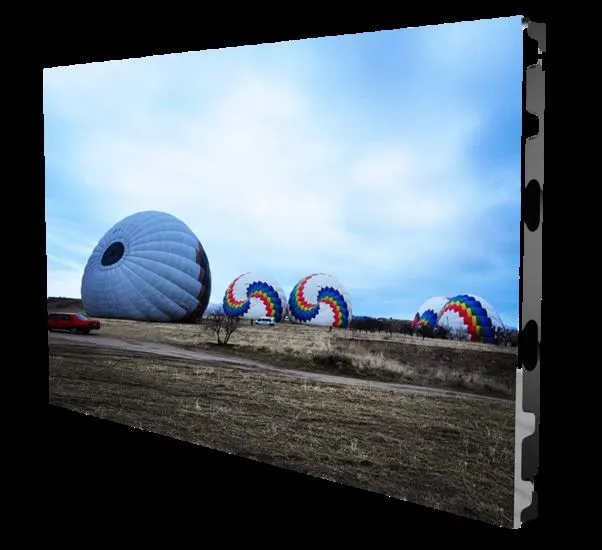
At the end of the day, transporting a 4K LED video wall is about attention to every small detail—from the crate’s foam lining to the driver’s route. It’s not just a logistics task; it’s a part of the product, because if it breaks during transport, even the best panel won’t work. For years, our team has built a reputation for delivering 4K LED walls in perfect condition, and a big part of that is refining our transport process. Whether you’re a rental company planning a trade show, a retail store setting up a permanent display, or an event planner coordinating a live broadcast, we have the products and expertise to make your transport smooth. Our LSP Series Ultra Thin 600*337.5mm Small Pixel Pitch 16:9 Low Cost Front Service LED Video Wall For 2K/4K/8K LED TV is just one of the options we offer, designed to balance quality and ease of transport. If you’re looking for reliable 4K LED video walls and guidance on safe transport, we’d love to discuss your project with you.
References
- LED Screen Transport Best Practices: Electronics Specialists Association, 2022
- Fine Pixel Pitch LED Panel Handling Guidelines: Display Technology Journal, Vol. 18, 2023
- Climate Control for Delicate Electronics Transit: Freight Management Association, 2021
- Front-Serviceable LED Wall Advantages for Logistics: Event Equipment News, 2023