

Glass facades sell daylight, so buyers hesitate when a screen threatens to turn them dark. A transparent LED display promises to keep views open while playing video across the glass - yet quotations vary wildly, and spec sheets rarely explain why. Before you sign anything, run through these seven checks. They expose the differences between a screen that looks brilliant on day one and one that still performs three years later.
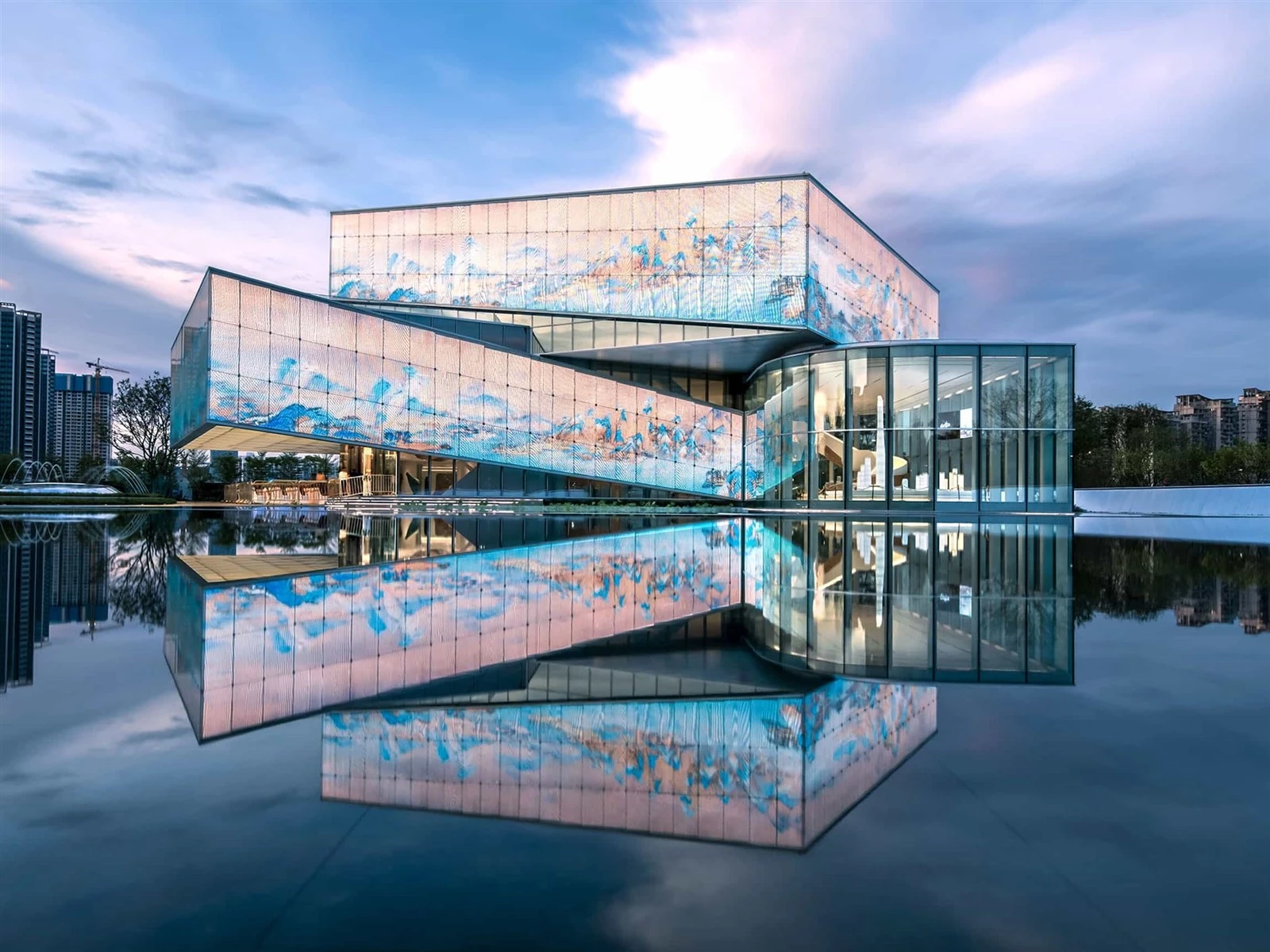
1. How Transparent Is "Transparent"?
Manufacturers quote transparency from 35% to over 90%, but the numbers are not measured the same way (see the comparison table below). Ask two questions instead: what percentage of the glass area stays open when the screen is off, and how visible are the running strips and power cables from inside the building? A 70% rating can still feel opaque if cabinet frames and wiring block the sightline.
- Request a photo taken from indoor daylight conditions, not a studio render.
- Ask for the transparency measurement method - glass area vs. full module area.
2. Brightness Must Match the Facade, Not the Brochure
Indoor-facing glass needs roughly 1,500–2,500 nits; exterior-facing daylight installations often need 4,000–5,500 nits. Under-spec brightness produces washed-out slogans at noon; over-spec brightness wastes energy and shortens LED life. Confirm the maximum and automatic brightness settings in writing, and ask whether the screen supports scheduled dimming by time of day.
3. Wind Load and Structural Integration Decide the Installation
High-rise glass curtain walls move. A mesh or curtain LED display attaches to the same structure, so wind load calculations, fixing points and cable routing belong in the design phase - not after the adhesive is ordered.
| Check | What to Verify | Typical Risk if Skipped |
|---|---|---|
| Wind load report | Local wind zone data, safety factor ≥ 1.5 | Peeling strips in storms |
| Glass compatibility | Finding, UV resistance, mounting method | Delamination or glass damage |
| Weight per m² | Under facade load limit | Structural rejection by authority |
| Maintenance access | Front-side or rope access plan | Costly rework after install |
4. Pixel Pitch vs. Viewing Distance
Facade audiences read the screen from 20–100 meters. P10–P20 pitch usually works from street level; closer retail windows may need P6–P8. Insisting on ultra-fine pitch on a 40-meter-high wall costs money without adding readability.
5. Certifications, Aging Tests and QC
Ask whether every cabinet passes a 72-hour aging test, whether certificates (CE, RoHS, ISO9001) cover the transparent line specifically, and what the IP rating means for outdoor strips. A supplier that publishes these details is easier to hold accountable after shipment.
6. Control System and Content Management
Because transparent screens often run long, narrow formats, confirm your player supports customized resolution mapping and that content management supports remote scheduling. Cloud-based control across multiple buildings saves a site visit for every campaign change.
7. Warranty Clauses and Spare Parts
A five-year warranty means little if shipping, labor and module exclusions shrink it to two. Clarify warranty terms clause by clause, and insist on a spare-parts package -typically 2–3% in modules, power supplies and LED strips - shipped with the order.
Conclusion and Next Step
Transparent LED projects succeed or fail on decisions made before purchase: transparency method, matched brightness, certified structure and a warranty you can actually claim. If you are evaluating a glass facade, mesh or curtain LED display, send Litestar your facade drawings and site location - our engineers will return a transparency and wind-load assessment with a tailored quotation within 24 hours.